

Seven inspection and test methods (revised replacements and new additions) are incorporated into the STSC.


Seven inspection and test methods (revised replacements and new additions) are incorporated into the STSC.
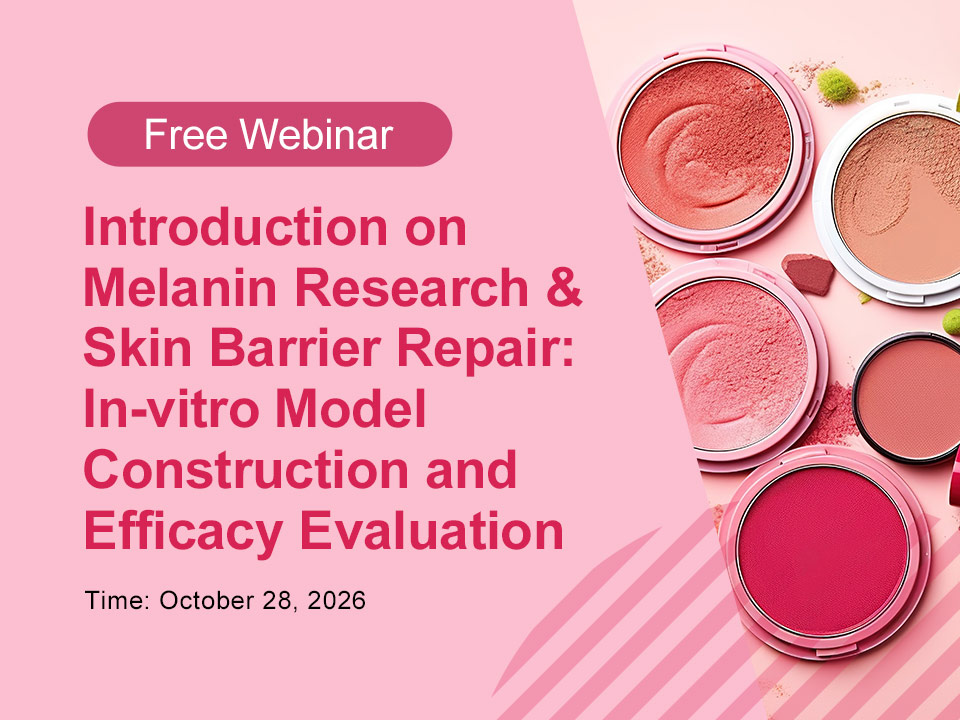
Leveraging standardized 2D cell assays, reconstructed 3D skin model systems and visualized in-vitro efficacy evaluation technologies, we provide scientific compliance verification and efficacy validation for cosmetic active ingredients, formulations and finished products intended for global markets. This session focuses on melanin research and skin barrier repair, demonstrating how in-vitro efficacy assessment substantiates cosmetic efficacy claims.
On October 15, 2026, China's NIDC published landmark draft standards for freeze-dried and single-dose cosmetics. Open for public feedback until November 22, 2026, the drafts establish unified testing requirements while excluding freeze-dried masks and trial samples, urging businesses to review formulations and plan compliance early. (51 words)

CIRS Group has summarized the latest global cosmetic regulatory developments of September 2026 to help enterprises gain a comprehensive view of global regulatory trends.
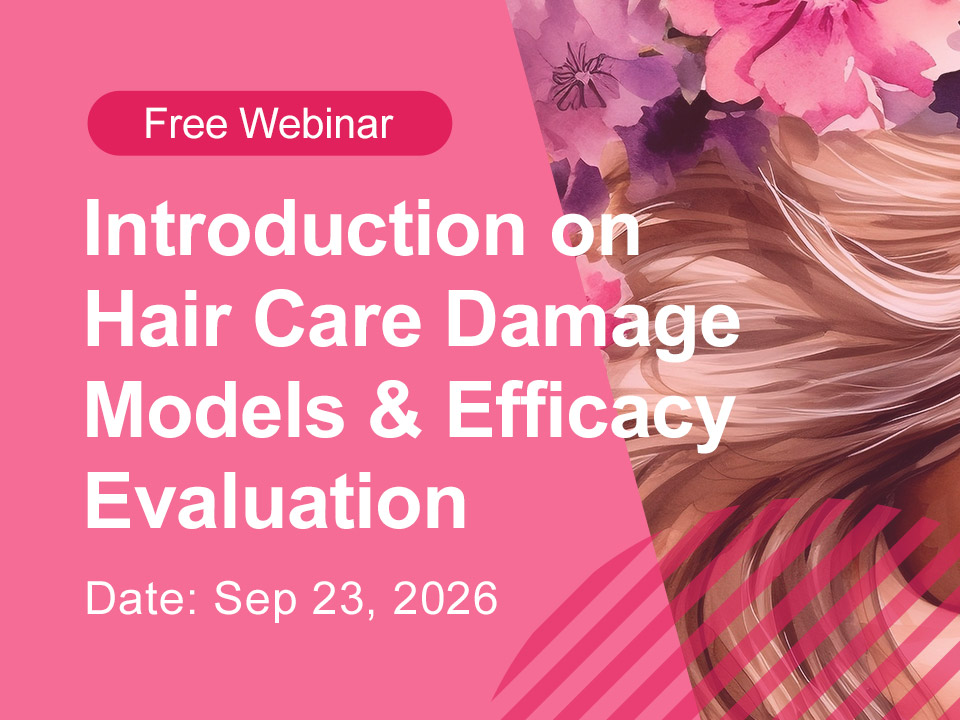
In the competitive global cosmetics market, substantiating your hair care product’s repair claims with robust, scientifically valid data is no longer optional—it’s a regulatory and commercial necessity. This webinar, led by technical experts from CIRS Testing, delivers a deep dive into the establishment of standardized hair damage models and the cutting-edge evaluation methods used to quantify repair efficacy.

CIRS Group has compiled and summarized the latest global cosmetics regulatory developments in August 2026.
China NMPA issued "General Technical Requirements for Cosmetic Product Standards," promoting the standardized, regulated and high-quality development of cosmetics industry.
CIRS Group has compiled and summarised the latest global cosmetic regulatory developments of July 2026.
On August 6, 2026, China NIFDC publicly solicited comments on nine cosmetic standards invloving eight cosmetic ingredients and one testing method in STSC.
Cosmetic efficacy testing has become an essential step in developing compliant, evidence-based cosmetic products. Whether launching a new skincare product, validating sunscreen SPF claims, or supporting anti-ageing marketing claims, brands increasingly need scientific evidence to demonstrate that their products deliver the benefits promised on the label. Consumers today expect greater transparency from cosmetic brands, while regulators worldwide are placing increasing emphasis on ensuring that cosmetic claims are truthful, substantiated, and supported by appropriate evidence. As a result, cosmetic efficacy testing plays a critical role in product development, regulatory compliance, and successful market access.
 Contact Us


