
China NMPA issued "General Technical Requirements for Cosmetic Product Standards," promoting the standardized, regulated and high-quality development of cosmetics industry.


China NMPA issued "General Technical Requirements for Cosmetic Product Standards," promoting the standardized, regulated and high-quality development of cosmetics industry.
On August 6, 2026, China NIFDC publicly solicited comments on nine cosmetic standards invloving eight cosmetic ingredients and one testing method in STSC.
CIRS Group has compiled and summarized the latest global cosmetic regulatory developments of June 2026.
CIRS Group has compiled the sampling-inspection data and typical violations in June to help enterprises keep abreast of market-supervision trends and identify compliance risks.

On May 29, 2026, China's STSC underwent a significant update. To accompany this update, China's NIFDC simultaneously released official supporting Q&As. CIRS Group has compiled and organized the information below for your reference.
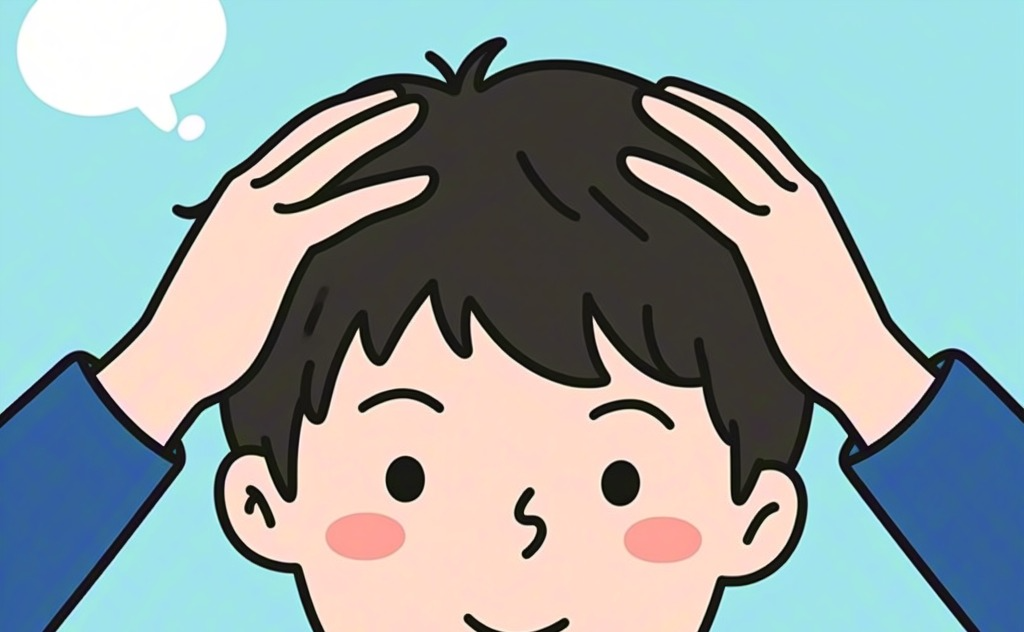
In our last article, Is Your Scalp Healthy? – Scalp Health Evaluation Methods (Part I), we have introduced the evaluation methods for dandruff, sebum levels, and itchiness. In this article, we will continue with the evaluation methods for erythema/papules/pustules and the overall hair status.
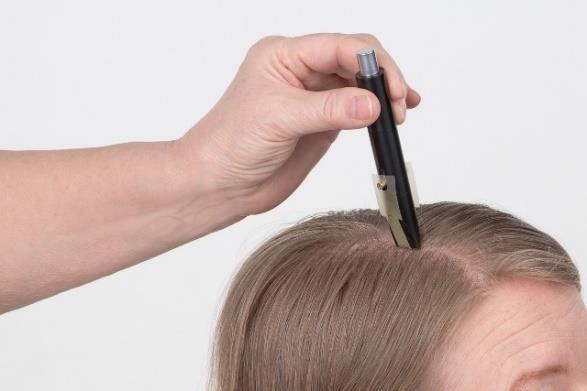
Think of your scalp as an extension of your facial skin—in fact, scalp is the second most sensitive area on your head, just after the eye contour. It's the vital "soil" from which your hair grows, home to more than 100,000 follicles and a rich supply of nerves and blood vessels. Today, with the rising quality of life, people place a greater emphasis on skin care, with (scalp care also encompassed). Since the scalp and hair significantly influence facial and overall aesthetics, the interest in scalp wellness is surging. Consequently, finding effective ways to assess scalp health has become a pressing need.
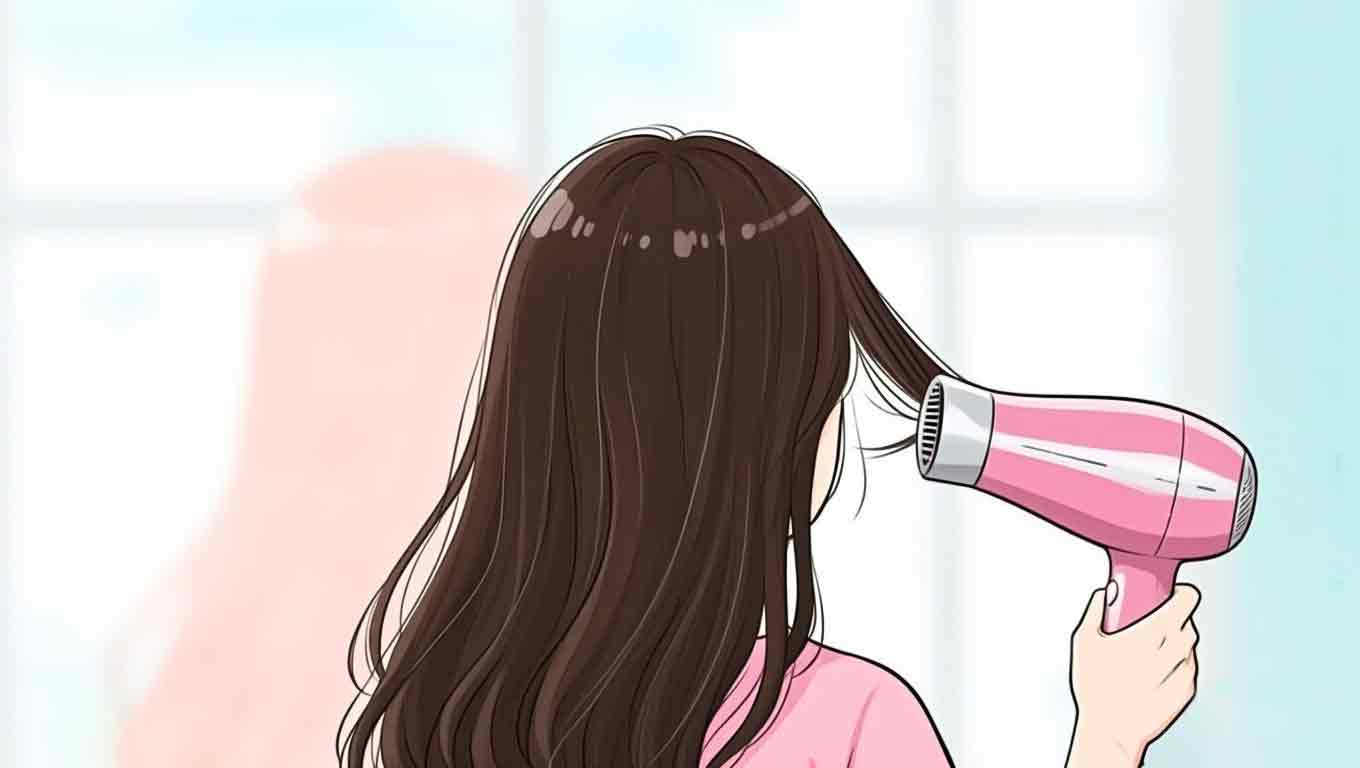
In this article, we would like to share the hair thermal damage model conducted by CIRS Testing and Amway (Shanghai), as published in the Journal of Cosmetic Dermatology. The frequent use of hair dryers can cause thermal damage to the hair. Currently, there are various hair care products aimed at repairing thermal-damaged hair emerged on the market, making it necessary to establish a convenient and stable hair thermal damage model to evaluate the efficacy of such products.
On July 31, 2025, the National Institutes for Food and Drug Control (NIFDC) released six draft Technical Guidelines for public consultation, including the Technical Guidelines for the Study of Hair Dye Cosmetics (Trial). In terms of perm hair cosmetics, according to the relevant guidelines, the definition and classification of them have been clarified.

Collaborative research on a hair heatrf damage model, jointly conducted by Hangzhou C&K Testing Technic Co., Ltd. (CIRS Testing) and Amway (Shanghai) Innovation and Science Co., Ltd. (Amway), has achieved significant progress. The findings have been formally published in the internationally authoritative SCI-indexed journal- Journal of Cosmetic Dermatology. This breakthrough study not only provides a novel scientific tool for in-depth exploration of hair heat damage mechanisms but also marks a new level of global recognition for China’s cosmetic efficacy evaluation technology within the international academic community.
 Contact Us


