
tags

Food Related
China
Official Announcement: China Released New National Standards for Food Safety GB 4806.10-2025 Coatings and GB 4806.16-2025 Silicone Rubber

On September 25, 2025, the National Health Commission and the State Administration for Market Regulation jointly issued Announcement No. 6 of 2025, releasing 32 new national food safety standards and 2 amendments. Among these, four standards related to food contact materials include: GB 4806.10-2025 Coatings and Coatings for Use with Food Contact Materials and Articles GB 4806.16-2025 Silicone Rubber Materials and Products for Food Contact GB 31604.21-2025 Determination of Migration of Benzoic Acid, Phthalic Acid, and Terephthalic Acid in Food Contact Materials and Products GB 31604.64-2025 Determination of Migration of Citrate and Sebacate Compounds in Food Contact Materials and Products

China National Standard Updated: 13 High-Risk Additives Banned, Tighter Rules for Colorants and Migration Limits

On July 3, 2025, the China National Center for Food Safety Risk Assessment (CFSA) issued a significant announcement, officially soliciting public comments on the draft revision of the National Food Safety Standard - Standard for Uses of Additives in Food Contact Materials and Articles (Industry Draft for Comments). Commissioned by the National Health Commission (NHC), this revision aims to further enhance the safety of food contact materials.

Free Webinar: Updated Overview and Analysis of Chinese FCM Standards

CIRS Testing is to host a free webinar on the Updated Overview and Analysis of Chinese Food Contact Material Standards on March 27, 2025 at 9:00 (EST). This session offers an in-depth look at the latest developments in the regulatory framework and standards for food contact materials in China. It is crucial for manufacturers, regulators, and industry stakeholders who need to stay updated with Chinese standards to ensure compliance. Whether you work in production or regulatory roles, this webinar will offer essential insights into effectively managing the complexities of food contact materials in China.

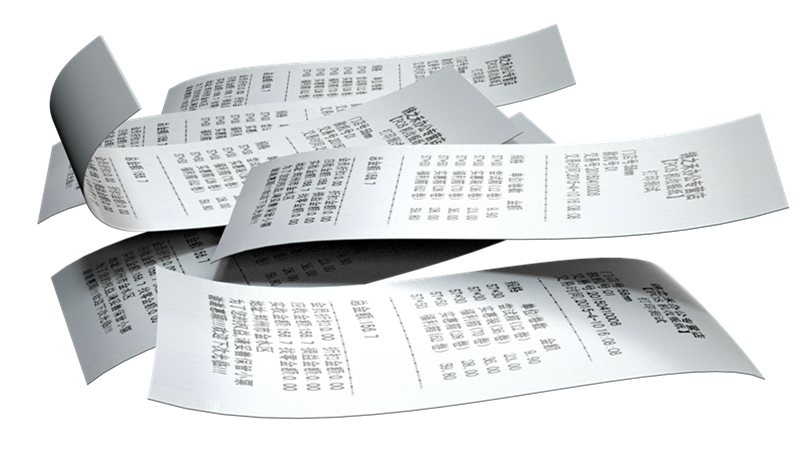
Why "Shopping Receipts" Should Not Be Touched by Children or Pregnant Women? Understanding Bisphenol A (BPA)

Recently, the health risks associated with Bisphenol A (BPA) have once again garnered widespread public attention. As a professional testing organization, CIRS Testing is here to provide an in-depth interpretation of the potential hazards of BPA and how to effectively prevent exposure in daily life based on our research practices and updates on relevant regulations.

Ceramic Control Requirements Worldwide Broadcast

Ceramic products, as traditional materials for food contact, are ubiquitous in the daily lives of people worldwide. Items such as bowls, cups, soup pots, tea sets, knives, ladles, plates, and dishes are commonly made of ceramic materials. Ceramics are generally perceived by the public as safe, non-toxic, and healthy materials for daily life. They come in diverse shapes, with smooth and delicate surfaces, vibrant colors, and are easy to clean, making them highly favored by many. However, ceramic products still pose safety risks, primarily stemming from the glazing process. Glazes often contain sodium silicate and metal salts, and coloring pigments may also include metal salts, leading to the potential leaching of heavy metals. Therefore, countries worldwide have established clear regulatory requirements for ceramic products.

National Food Safety Standard for Food Contact Silicone Rubber Materials and Articles Now Released for Public Comments

In accordance with the Food Safety Law and its implementation regulations, the Food Safety National Standard Review Committee has organized the drafting of 11 new food safety national standards and amendments for public consultation. These standards encompass various aspects of food safety, including two food contact product standards: "General Safety Requirements for Food Contact Materials and Products" and "Food Contact Silicone Rubber Materials and Products."

China's NHC Released New Standard for Food Contact Ink and 16 Other FCM National Standards

On September 25, 2023, the National Health Commission (NHC) released announcement No. 6, 2023 regarding 85 national food safety standards, including National Food Safety Standard - Tea (GB 31608-2023), along with three modification documents. Among these standards, 17 are related to food contact materials, including five for food contact materials products standards, two general principles, and ten inspection methods. Of particular importance is the introduction of a new food contact ink standard. Additionally, revisions have been made to existing standards pertaining to food-contact plastics, metals, rubber, and composite materials. These updates further clarify the management principles and requirements and the approved use of fundamental materials, aiming to bolster food safety, ensure consumers’ well-being, and address practical industry concerns.

Express on China New Standards | GB 4806.14-2023 Product Standard for Inks Used in Food Contact Materials and Articles Released

On September 25, 2023, the National Health Commission released 85 national food safety standards and 3 amendment notices (NHC Announcement No. 6 of 2023), including 17 standards related to food contact materials, comprising 5 product standards (plastics, metals, rubber, composite materials, inks) and 12 method standards (migration general principles, method validation general principles, specific migration quantity test methods, etc.)." This article will introduce GB 4806.14-2023 National Food Safety Standard for Inks Used in Food Contact Materials and Articles (hereinafter referred to as the "Ink Standard"). The official implementation date of this standard is September 6, 2024.

Express on China New National Standards | GB 4806.13-2023 Food Contact Composite Product Standard Released

On September 25, 2023, China National Health Commission released 85 national food safety standards and 3 amendment notices (NHC Announcement No. 6 of 2023), including 17 standards related to food contact materials, comprising 5 product standards (plastics, metals, rubber, composite materials, inks) and 12 method standards (migration general principles, method validation general principles, specific migration quantity test methods, etc.)." This article will introduce GB 4806.13-2023 National Food Safety Standard for Food Contact Composite Materials and Articles (hereinafter referred to as the 'Composite Materials Standard'). The official implementation date of this standard is September 6, 2024.