
On August 6, 2026, China NIFDC publicly solicited comments on nine cosmetic standards invloving eight cosmetic ingredients and one testing method in STSC.


On August 6, 2026, China NIFDC publicly solicited comments on nine cosmetic standards invloving eight cosmetic ingredients and one testing method in STSC.
Cosmetic efficacy testing has become an essential step in developing compliant, evidence-based cosmetic products. Whether launching a new skincare product, validating sunscreen SPF claims, or supporting anti-ageing marketing claims, brands increasingly need scientific evidence to demonstrate that their products deliver the benefits promised on the label. Consumers today expect greater transparency from cosmetic brands, while regulators worldwide are placing increasing emphasis on ensuring that cosmetic claims are truthful, substantiated, and supported by appropriate evidence. As a result, cosmetic efficacy testing plays a critical role in product development, regulatory compliance, and successful market access.
CIRS Group has compiled and summarized the latest global cosmetic regulatory developments of June 2026.

Technical Summary Based on the Latest OECD Guideline No. 497.
CIRS Group has compiled the sampling-inspection data and typical violations in June to help enterprises keep abreast of market-supervision trends and identify compliance risks.

Not all cosmetic test reports are created equal: some are rejected by regulators, and some aren’t internationally recognized. Choosing the wrong laboratory can delay your product launch or even block market entry entirely. This article explains the differences between CMA, CNAS, and ISO 17025 accreditation, why they matter for cosmetic testing in China, and how to select the right lab for regulatory compliance.
On June 10, 2026, South Korea MFDS published the "Guide for Preparation of Cosmetic Safety Assessment Documentation" , providing guidance for cosmetic responsible distributors on preparing safety assessment documentation.
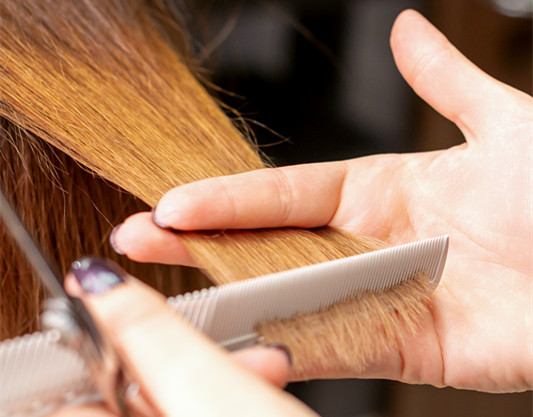
Recently, CIRS Testing and Amway (Shanghai) Technology Development Co., Ltd. (hereinafter referred to as "Amway") achieved a significant breakthrough in their collaborative research on the Evaluation Method for the Repair Efficacy of Hair Products against Chemical Damage. The related findings have been officially published in the domestic core journal China Surfactant Detergent & Cosmetics. This research provides a novel scientific tool for evaluating the repair efficacy of hair products targeting chemical damage, based on three dimensions: microscopic imaging, physical properties, and chemical composition.

In our last article, Is Your Scalp Healthy? – Scalp Health Evaluation Methods (Part I), we have introduced the evaluation methods for dandruff, sebum levels, and itchiness. In this article, we will continue with the evaluation methods for erythema/papules/pustules and the overall hair status.
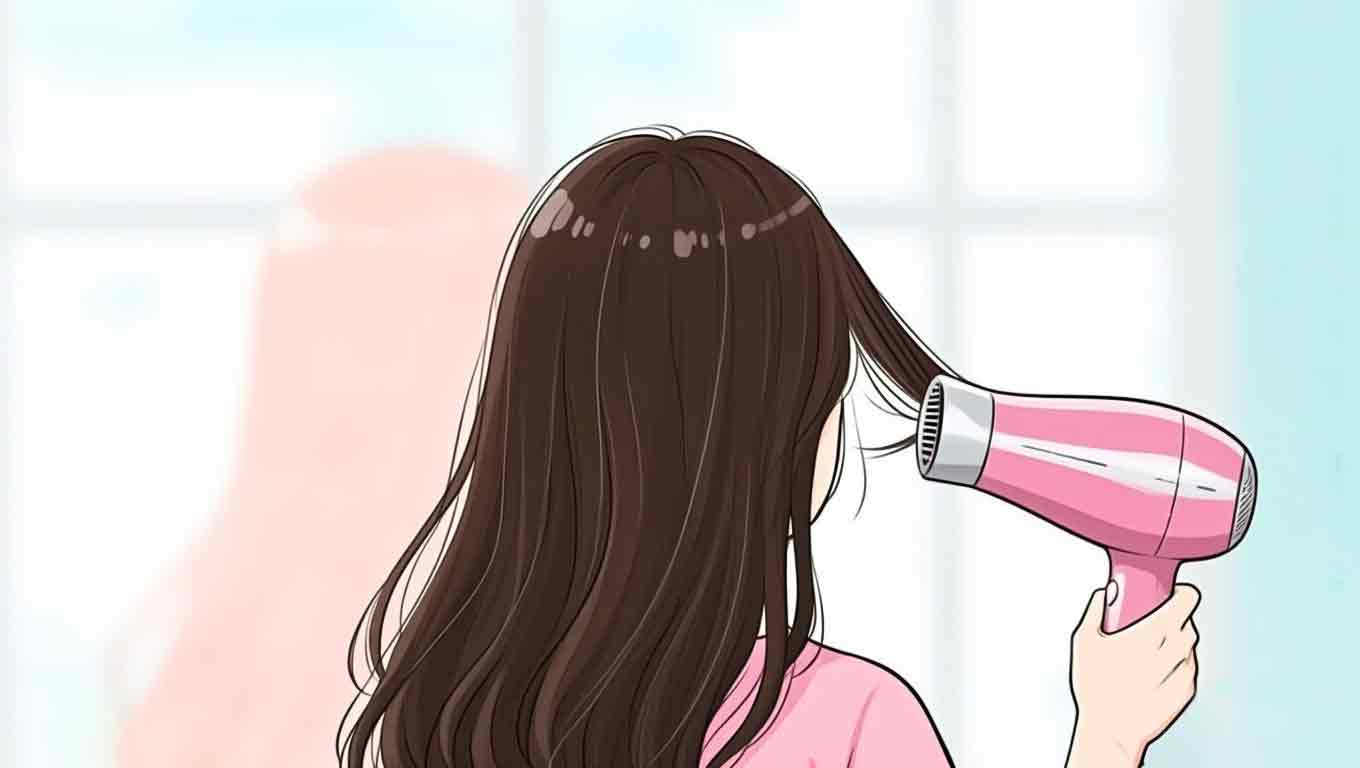
In this article, we would like to share the hair thermal damage model conducted by CIRS Testing and Amway (Shanghai), as published in the Journal of Cosmetic Dermatology. The frequent use of hair dryers can cause thermal damage to the hair. Currently, there are various hair care products aimed at repairing thermal-damaged hair emerged on the market, making it necessary to establish a convenient and stable hair thermal damage model to evaluate the efficacy of such products.
 Contact Us


