

CIRS Testing provides a complete medical device chemical testing service, built around the chemical-substance requirements of the EU MDR, REACH, RoHS, the POPs Regulation, China NMPA/GB, and US FDA / ISO 10993 frameworks.


CIRS Testing provides a complete medical device chemical testing service, built around the chemical-substance requirements of the EU MDR, REACH, RoHS, the POPs Regulation, China NMPA/GB, and US FDA / ISO 10993 frameworks.

PPWR imposes on all companies placing packaging on the EU market a full chain of obligations spanning substances, design, and recyclability. Medical device companies are no bystanders — although, given the special nature of their products, the primary packaging in direct contact with the product enjoys certain relaxations with regard to "recyclability" and "recycled content," core responsibilities such as minimization, hazardous substances, labeling, EPR, and the Declaration of Conformity apply in full. There is therefore no such thing as a complete exemption for medical device packaging under the PPWR framework.
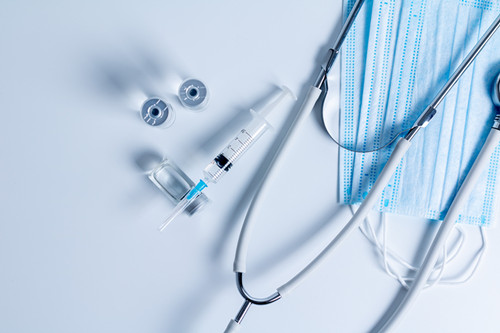
Per- and Polyfluoroalkyl Substances (PFAS), commonly known as "forever chemicals", feature extremely stable carbon-fluorine bonds, high bioaccumulation potential and suspected endocrine disrupting properties, leading to stringent regulatory restrictions worldwide. According to OECD statistics, the PFAS family comprises over 10,000 substances. Fluoropolymers including Polytetrafluoroethylene (PTFE), FEP, PFA, PVDF and PCTFE are widely applied in cardiovascular catheters, implant coatings, pacemaker wire insulation, as well as sterile high-barrier packaging for medical devices.
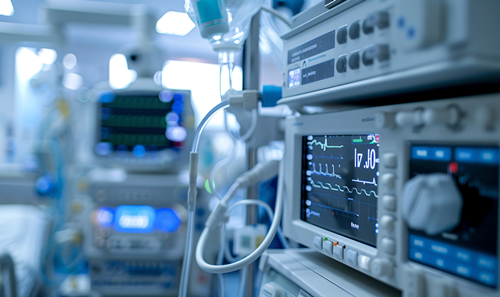
Medical devices, particularly those that directly or indirectly come into contact with a patient's blood, sterile tissues, or mucous membranes, such as surgical knives, catheters, and implants, must be sterile. If the packaging is damaged or improperly sealed during transportation and storage, microorganisms (such as bacteria and fungi) can infiltrate, leading to contamination of the devices. Using contaminated devices may cause infections and even pose a threat to patients' lives. CIRS Testing offers a comprehensive suite of solutions for sterile packaging of medical devices, including microbiological, chemical, accelerated aging, physical and mechanical property, and transportation testing. This ensures patient safety and helps your products comply with regulations to enter global markets!

According to the EU MDR Regulation, Appendix I General Safety and Performance Requirements (GSPR) Article 10.4 regarding CMR/EDCs substances: The design and manufacture of medical devices should minimize the risk caused by substances or particles (including swarf, degradation products, and processing residues, etc.) that may be generated by the device. These substances mainly refer to CMR and EDCs substances.

Hangzhou CIRS C&K Testing Technology Co., Ltd. officially inaugurated its new toxicology laboratory in August. Located in the Tianhe High-tech Industrial Park in the Binjiang District of Hangzhou, Zhejiang Province, this lab is to provide toxicological tests and research services to industries such as cosmetics, medical devices, health products, specialty foods, and pharmaceuticals.
 Contact Us


